
There are tens of thousands of words in everyday Georgian. You will probably never learn them all, and the good news is that you don’t have to. A surprisingly small set of words does most of the work in any language, and if you learn those first, you understand far more, far sooner.
That idea is the whole reason the 5,000-word deck exists. This post is about which words made the cut, where the list came from, and how we turned raw frequency data into something you can actually study. There are ten real cards from the deck below, with their images, audio, and example sentences, so you can see exactly what you get.
A few thousand words carry almost every conversation
Word frequency follows a steep curve. The most common handful of words appear constantly, the next set appears often, and the long tail of rare words barely shows up at all. In practice this means the first 1,000 words of a language cover most of what you hear in ordinary conversation, and the first few thousand cover almost all of it.
So the question for a beginner is not “how do I learn 30,000 words.” It is “which 3,000 words should I learn first.” Learn those, and the rest you pick up from context, the way you learned most of your own native vocabulary.
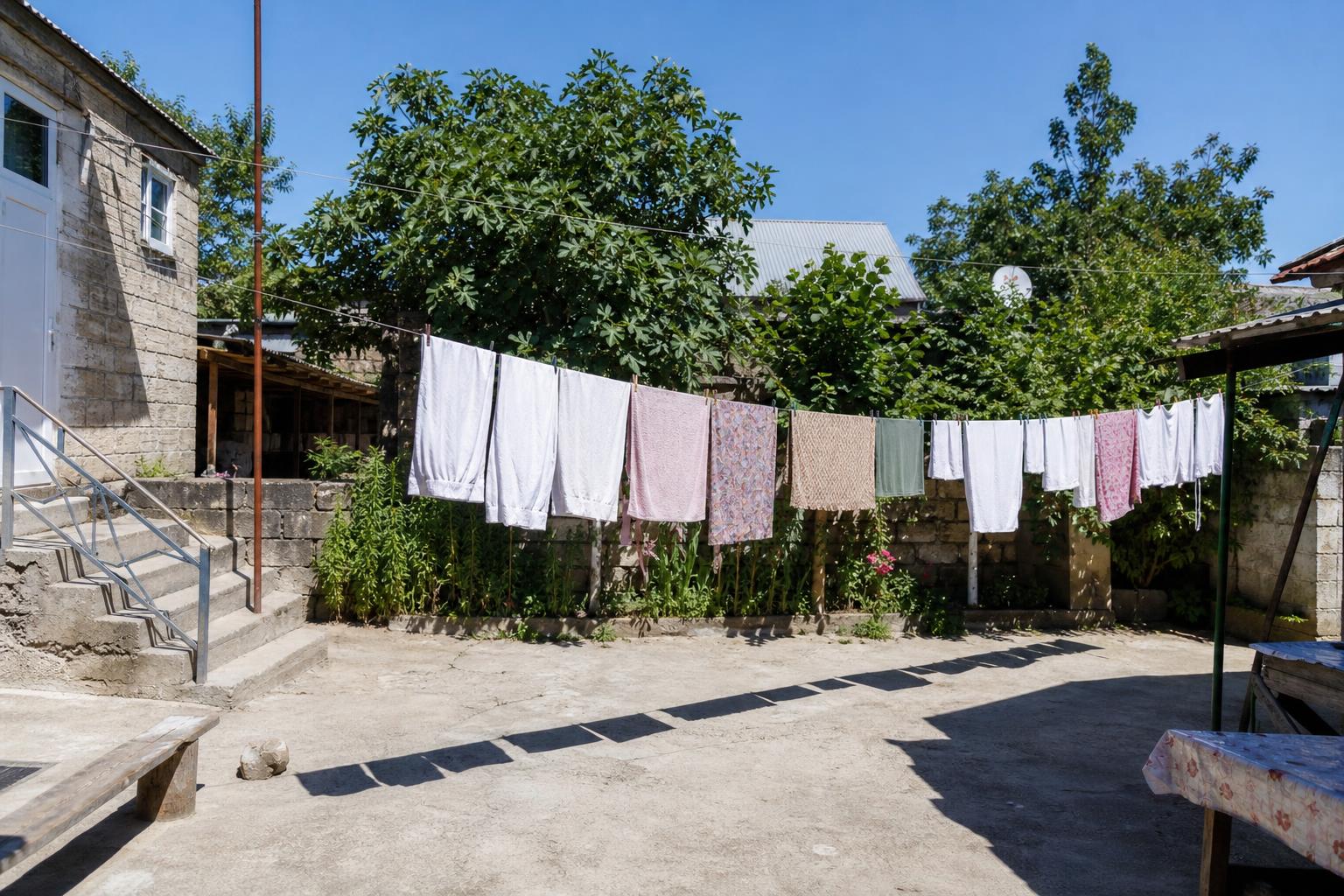 #13 most common
ყოველ დღე ვკითხულობ.
Q'ovel dghe vk'itkhulob.
I read every day.
A word like დღე sits near the very top of the list, and you can feel why. You use it constantly: today, every day, what a day. Words this common are worth more study time than anything a themed vocabulary list will hand you in week one.
Where the list comes from
A frequency list is only as honest as the text it counts. Ours is built from real-world Georgian, not from a textbook’s idea of what beginners should learn.
We ranked words by how often they appear across two large collections of written Georgian: a Wikipedia corpus and a Georgian news corpus. Together that is around 150,000 distinct words from text Georgians actually wrote. Counting across both, rather than one source, keeps the list balanced. News writing leans on current-affairs vocabulary, encyclopedic writing leans formal, and blending the two lands closer to the language a person really meets.
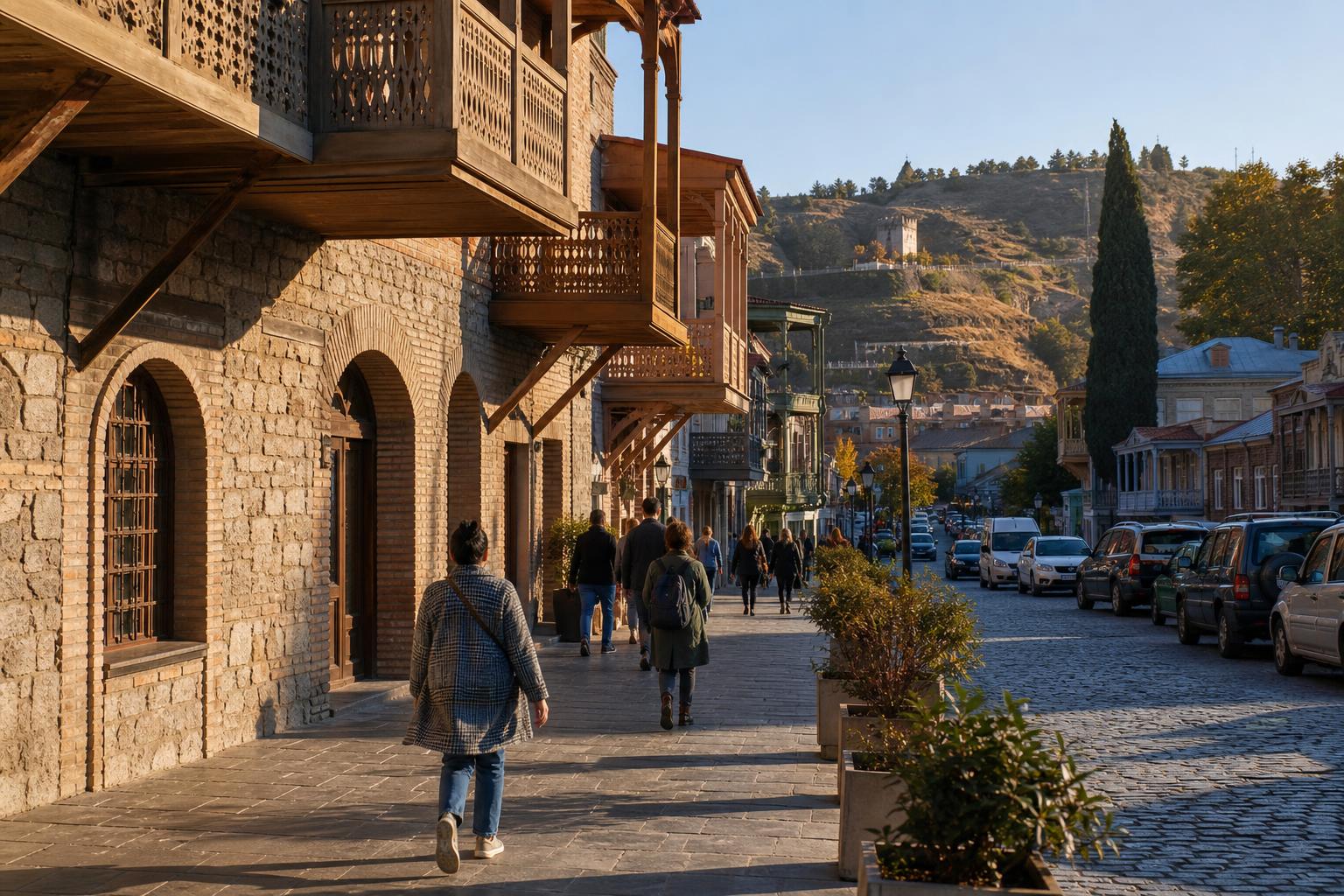 #47 most common
თბილისი დიდი ქალაქია.
Tbilisi didi kalakia.
Tbilisi is a big city.
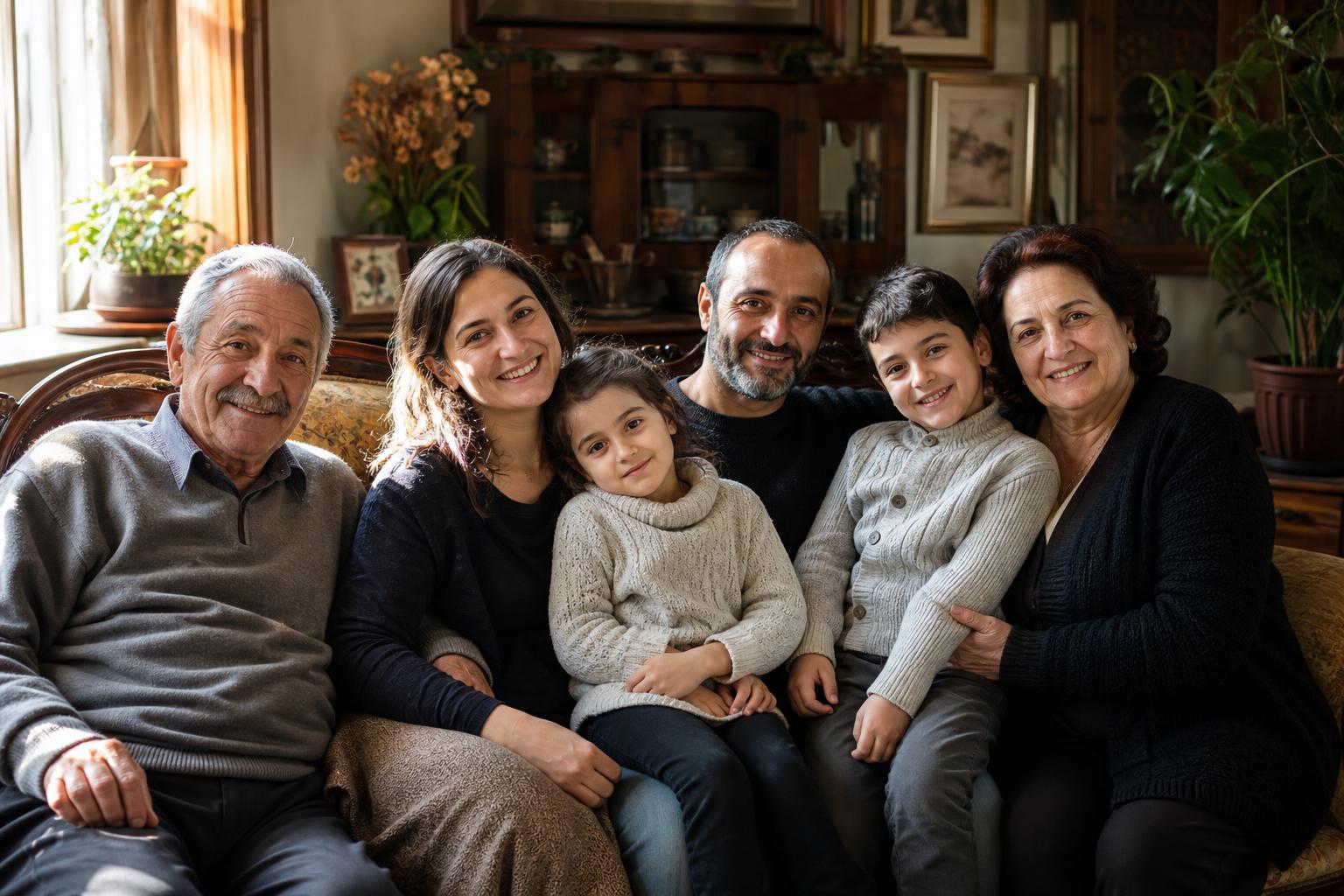 #90 most common
ჩემი ოჯახი დიდია.
Chemi ojakhi didia.
My family is big.
By the time you reach words like ქალაქი (city) and ოჯახი (family), still inside the first hundred, you are firmly in the vocabulary of daily life. These are words you will say in your first week in Tbilisi, not words you will save for an advanced class.
Why a raw frequency list is not a deck yet
Here is where Georgian makes you work. The language is heavily inflected, which means a single word shows up in text as dozens of different forms. The word for “house” appears as სახლი, სახლში, სახლის, სახლიდან, and more, each one a different case or function. A naive frequency count treats every form as a separate word and floods the top of the list with fragments of the same handful of nouns.
So before anything could become a card, every inflected form had to be grouped back under its dictionary word, what linguists call the lemma. Georgian morphology is too irregular for simple rule-based stripping, so we used language models to do the heavy linguistic work: identifying the base form of each word, tagging its part of speech, and drafting a first English translation. Then we summed the frequencies back up by lemma and stripped out the noise that does not belong on a flashcard: proper nouns, bare grammatical particles, single letters, abbreviations.
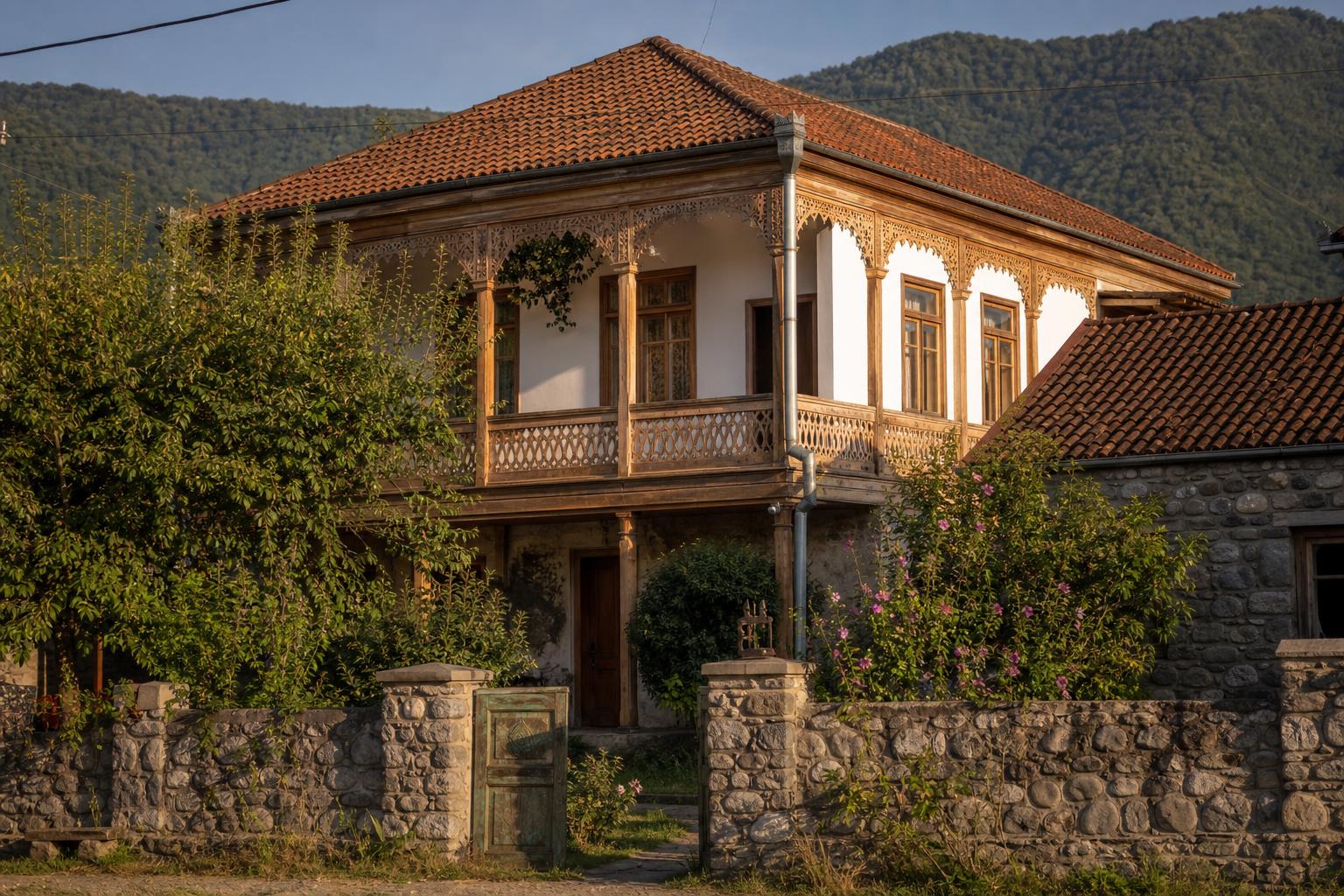 #119 most common
ჩემი სახლი დიდია.
Chemi sakhli didia.
My house is big.
What comes out the other side is a clean list of dictionary words, ranked by how common the word really is once all its forms are counted together.
Curated and checked by Georgian teachers
Automated work gets you most of the way. It does not get you all the way, and on a deck this size the gaps matter.
So Georgian language teachers went through the deck card by card. Translations that were technically correct but off-register, a part of speech tagged wrong, a word that exists but no learner needs, an example sentence that read stiffly: all of it was approved, flagged, or rewritten by people who actually teach the language. A frequency list can tell you that წელი is common, but only a teacher can tell you it means both year and waist, and that the example sentence should make that clear.
That curation is the difference between a word list scraped off the internet and a deck you can trust. It is slow and unglamorous, and it is the part most Georgian decks skip.
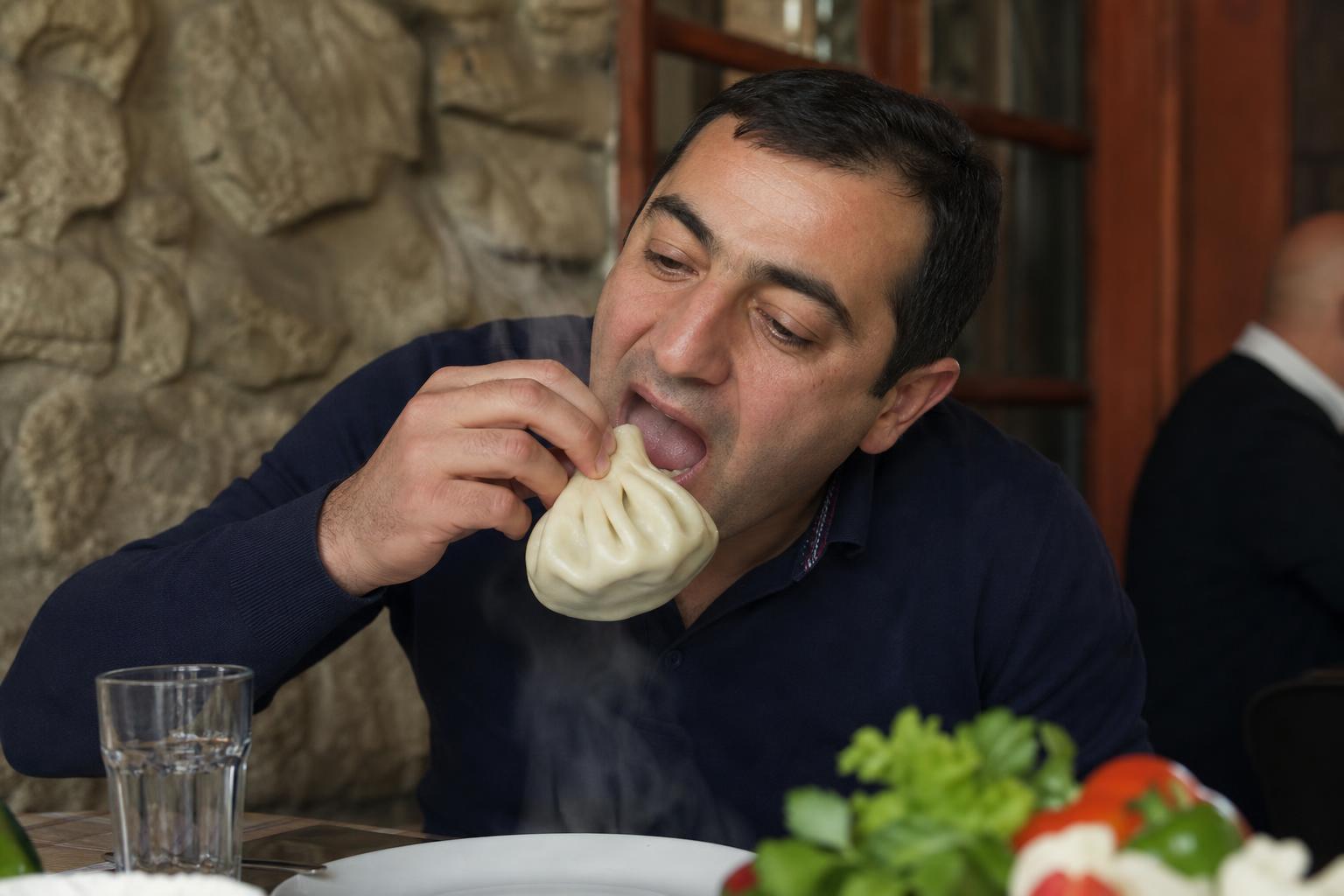 #314 most common
დღეს ხინკლის ჭამა მინდა.
Dghes khink'lis ch'ama minda.
I want to eat khinkali today.
What is on every card
Each of the 5,000 cards carries the same things: the Georgian word, a transliteration in our standard spelling, the English meaning, the part of speech, an example sentence with its own translation, an image, and audio so you can hear the word out loud. The example sentence matters more than it looks. A word learned inside a real sentence sticks far better than a word floating next to its translation, and it shows you the grammar in action without a single grammar table.
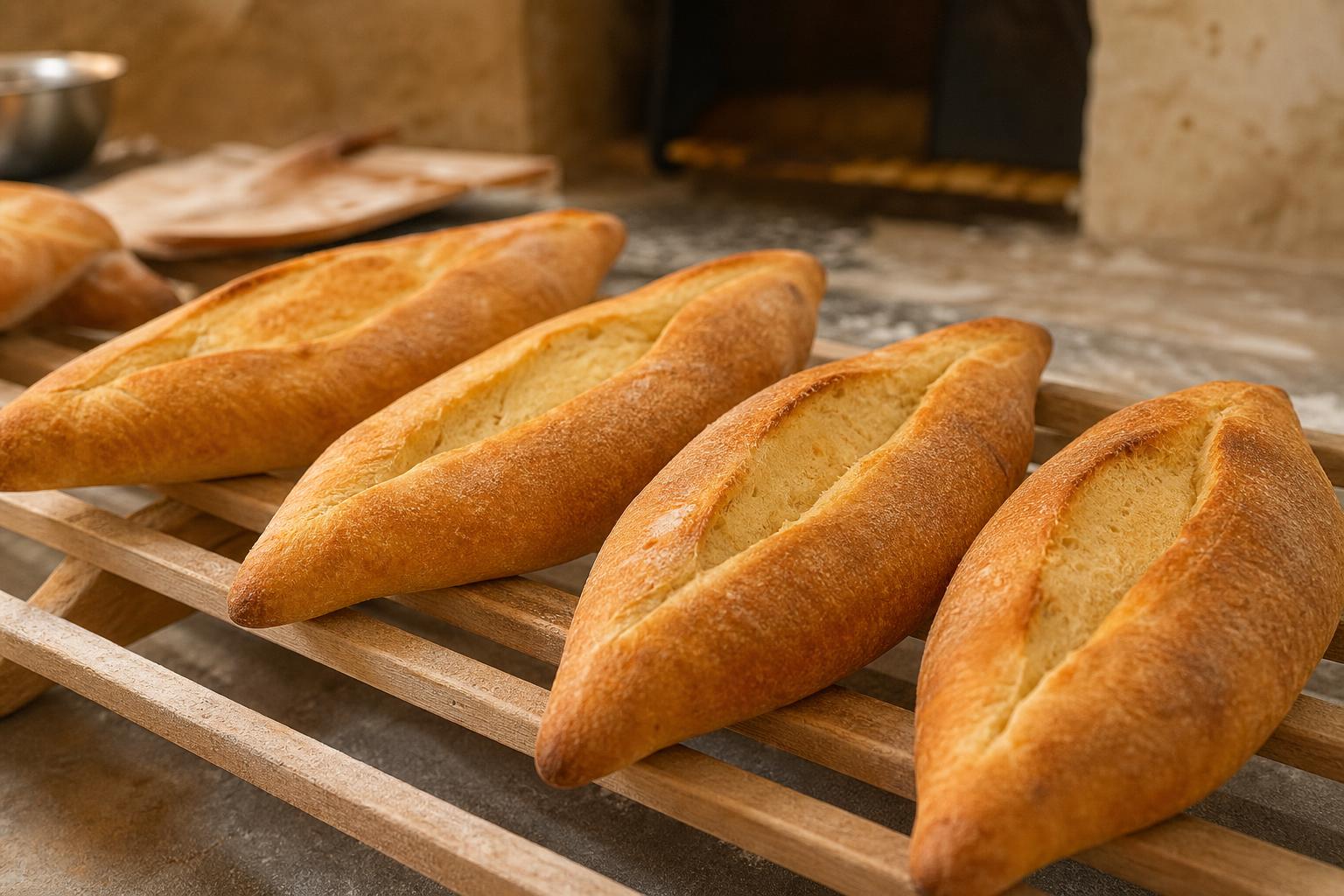 #540 most common
მაღაზიაში ცხელი პური ვიყიდე.
Maghaziashi tskheli p'uri viq'ide.
I bought hot bread at the store.
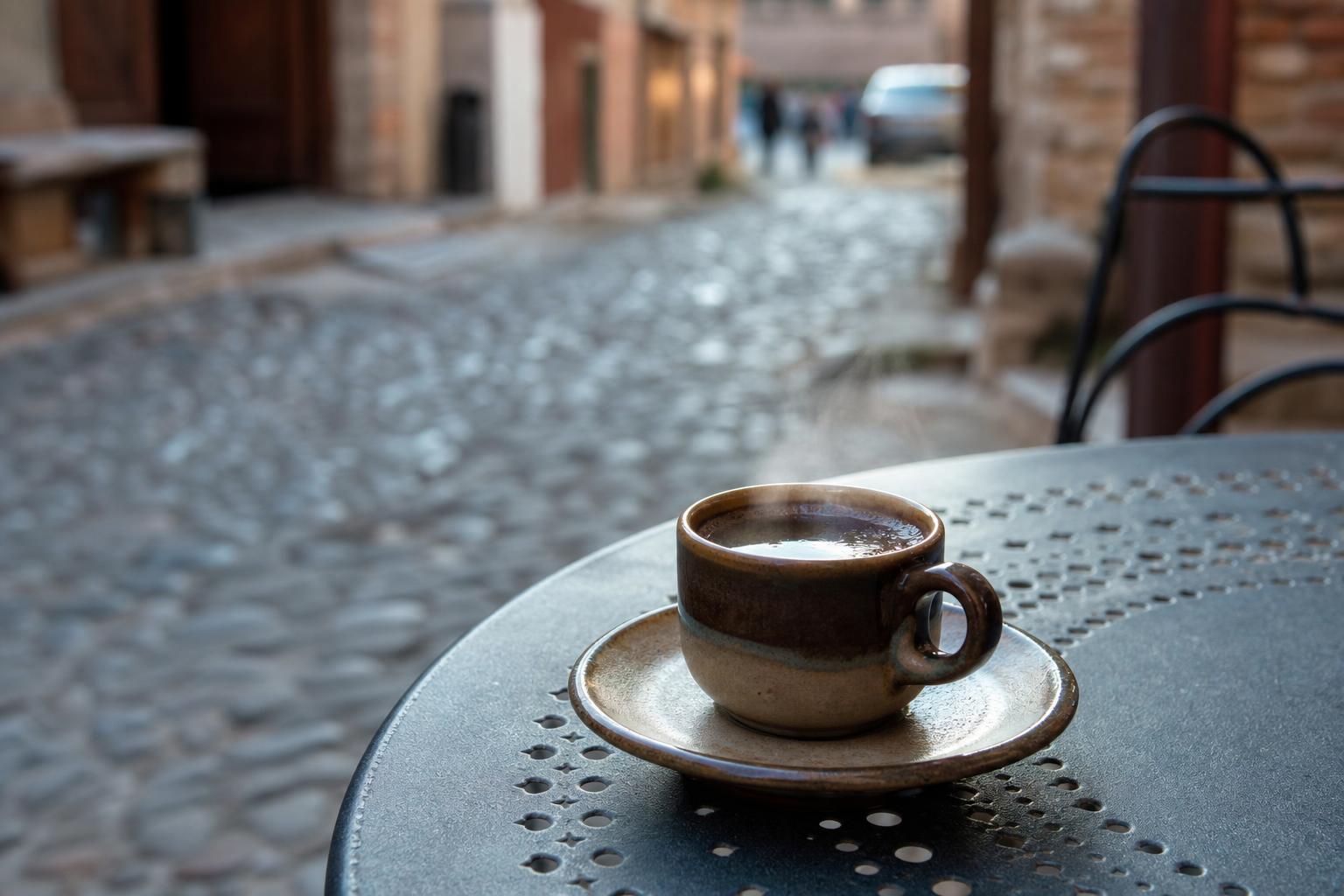 #769 most common
დილით ცხელ ყავას ვსვამ.
Dilit tskhel q'avas vsvam.
I drink hot coffee in the morning.
The deeper you go into the list, the more the deck rewards you. Around the thousand mark you reach the vocabulary that turns getting-by into expressing-yourself.
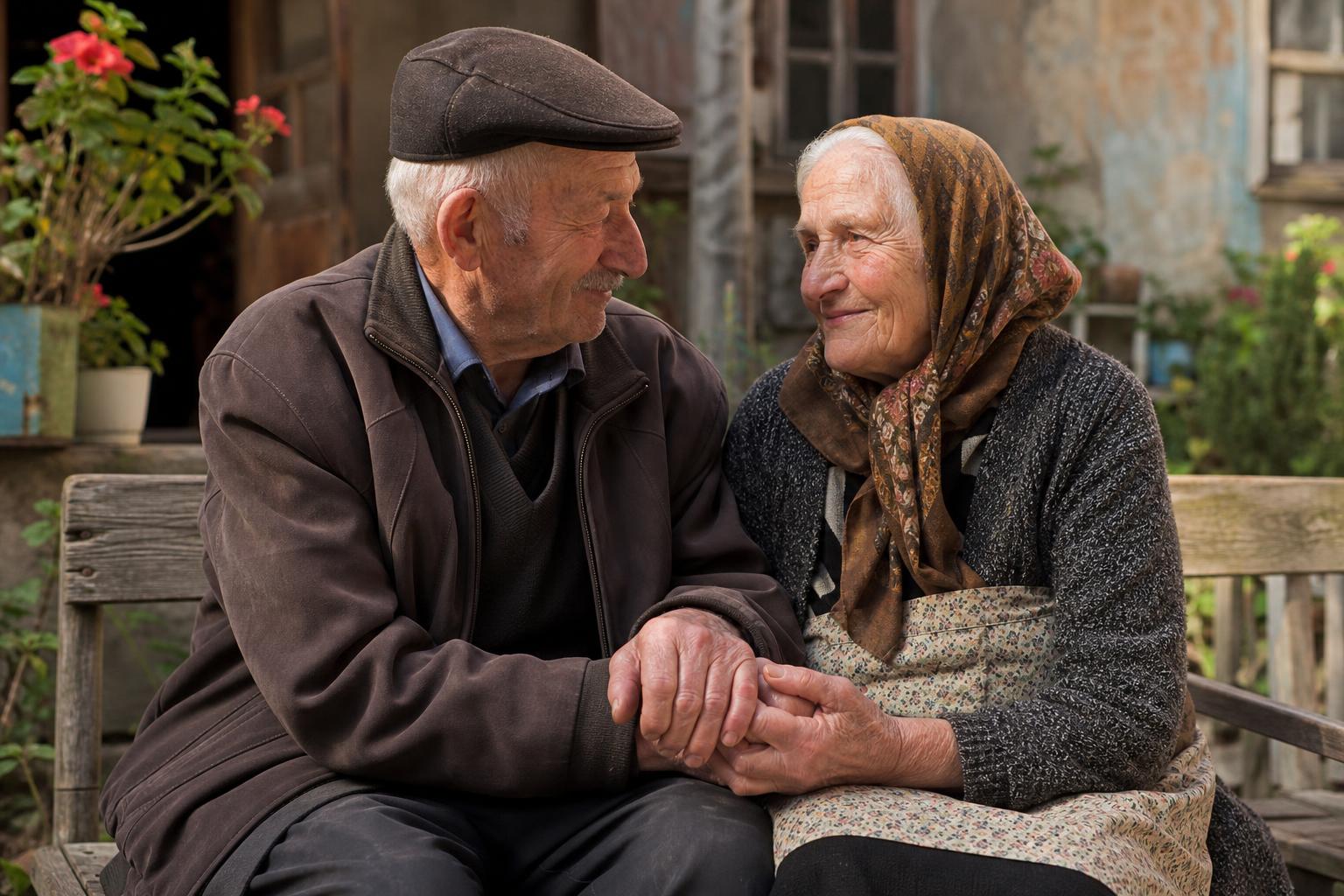 #1000 most common
სიყვარული ყველაზე ძლიერი გრძნობაა.
Siq'varuli q'velaze dzlieri grdznobaa.
Love is the strongest feeling.
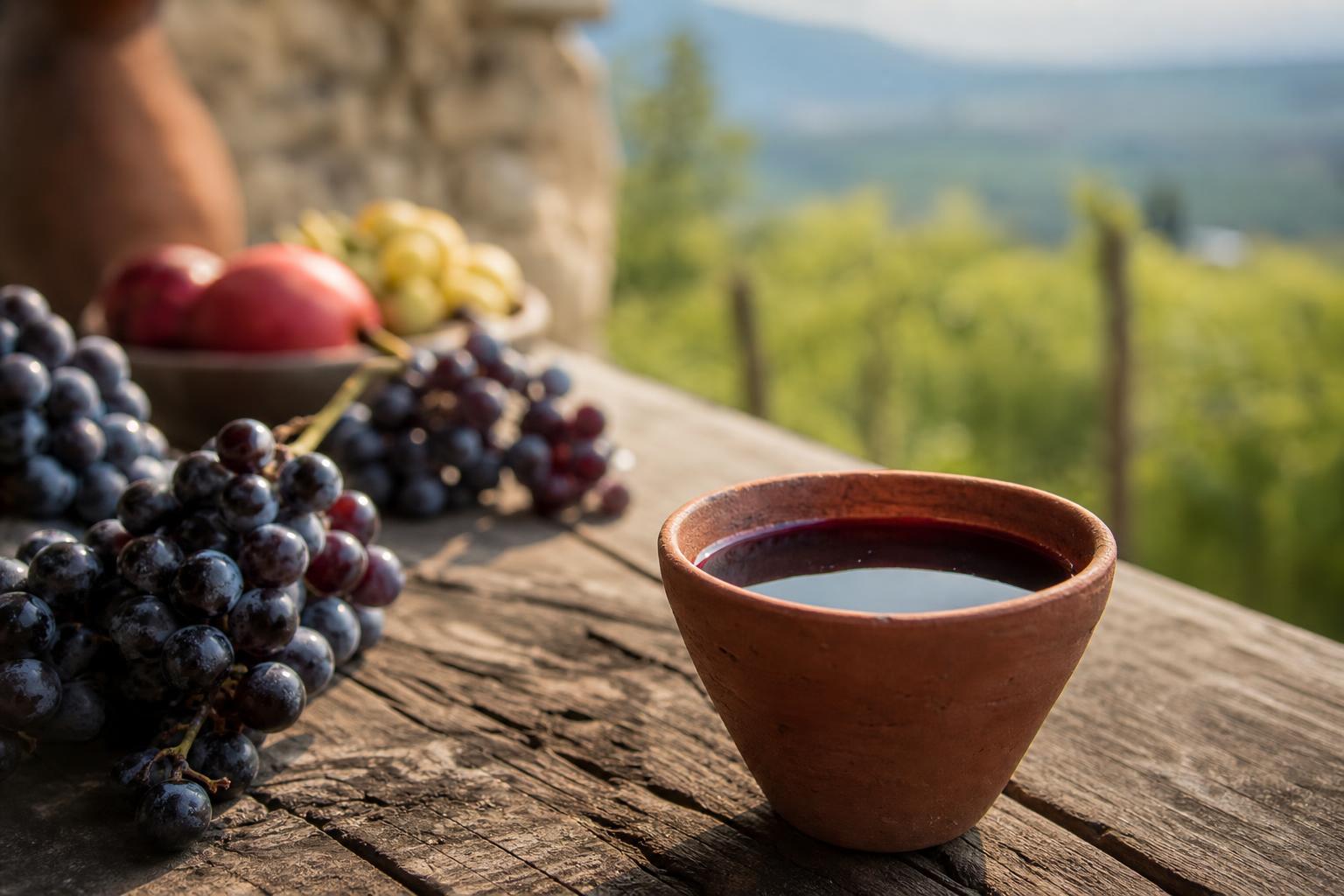 #1675 most common
ქართული ღვინო მსოფლიოში საუკეთესოა.
Kartuli ghvino msoplioshi sauk'etesoa.
Georgian wine is the best in the world.
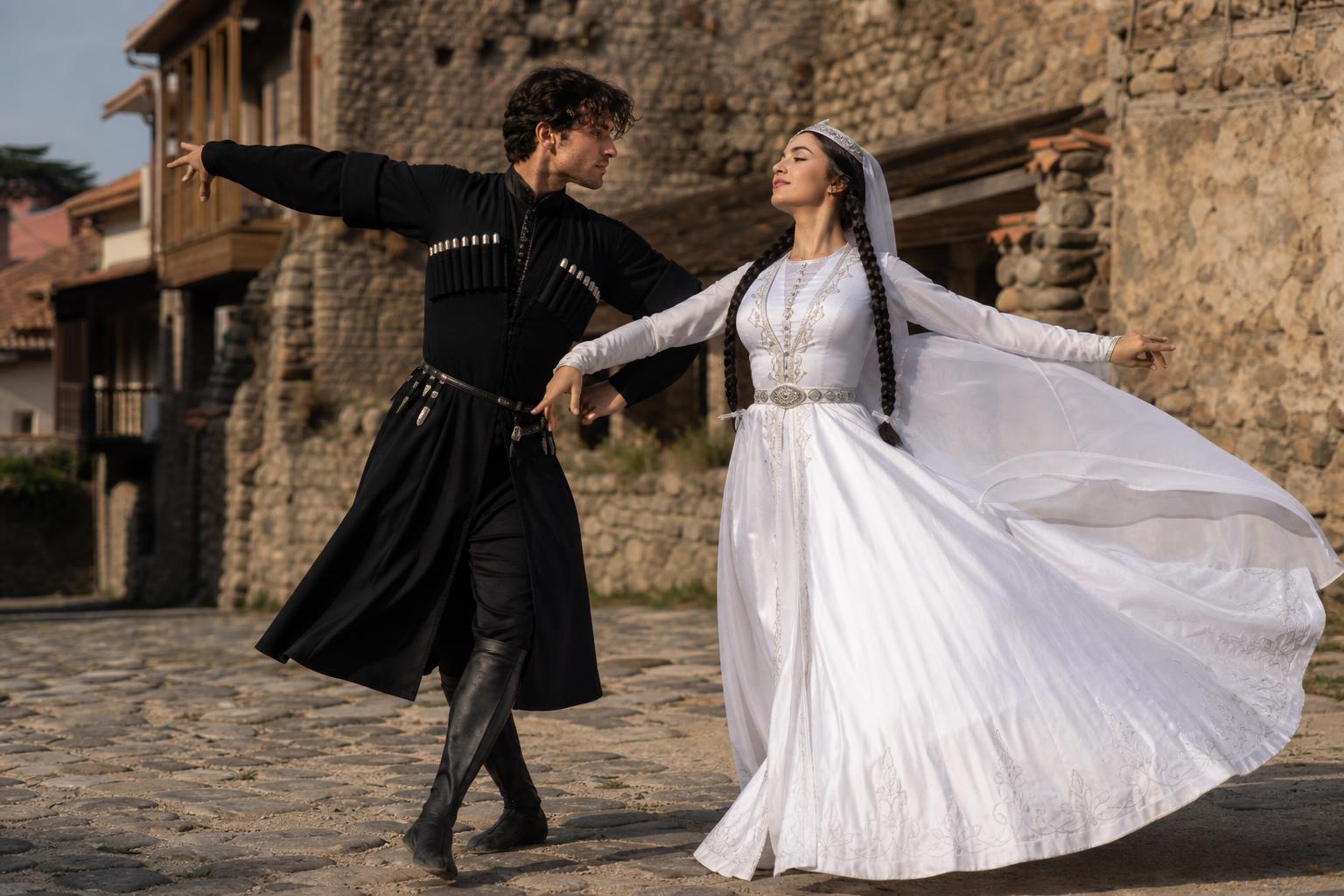 #2802 most common
ქართული ცეკვა ძალიან ლამაზი სანახავია.
Kartuli tsek'va dzalian lamazi sanakhavia.
Georgian dance is very beautiful to watch.
Wine sits at rank 1,675 and dance at 2,802, which is its own quiet argument for learning by frequency. A topic list might put those words in week one because they feel Georgian. The data puts them where they actually belong, deeper in, after the everyday machinery of the language is in place.
How to study it without drowning
Five thousand cards sounds like a lot because it is. You are not meant to swallow it whole. The deck plugs into the app’s spaced repetition system, which shows you a handful of new cards at a time and brings each one back exactly when you are about to forget it. You add what you can keep up with, and the system handles the timing.
Two more things make it manageable. The first 100 words are free for everyone, so you can start without deciding anything. And the deck is built to sit alongside our courses. Any word a course already teaches is kept out of your way, so if you own a course you only ever meet new vocabulary here. That is the point: the deck is a genuine supplement to the courses, not a repeat of what you have already learned.
If you have been staring at a textbook wondering which words are worth your memory, this is the shortcut. Start with the 100 free words in the app, and when you are ready for the rest, the full 5,000 come free with any EasyGeorgian course or on their own. Learn the words people actually use, in the order they actually use them.