



The first family word in Georgian is the one that catches everybody. Mama means father. Mother is deda. Learners hear a Georgian toddler shouting mama! at a man and assume the child has made a mistake. The child has not.
Once that swap is in place, Georgian family words are short, regular and everywhere. They also come with two habits that make your Georgian sound much more natural the moment you use them, and both are below.
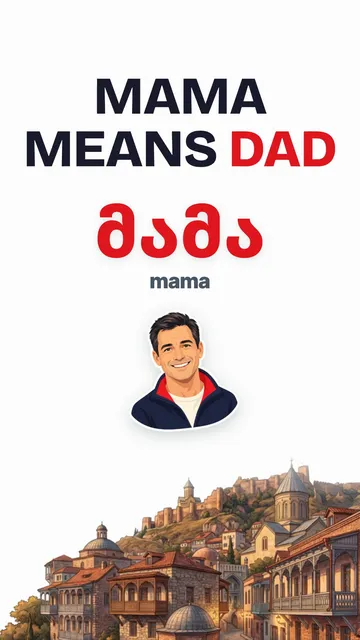
Mama means dad
Both are cards from the flashcard deck of our audio course, recorded by a native speaker, like most of the cards in this post.
Mama and papa are among the first sounds babies make, which is why languages all over the world use them for parents. Georgian simply attached mama to the father. Our twenty-second video takes the swap apart.
 0:26
Deda then did something interesting: it became the word for the most important version of a thing. The capital city is dedakalaki, mother-city. The Earth is dedamits’a, mother-earth. Your native language is your deda ena, mother tongue, which is also the name of the book that has taught Georgian children to read for well over a century. Our guide to Georgian reading practice explains how learners can use the same kind of book.
My mother is dedachemi
Here is the first habit. To say my mother or my father, Georgians put chemi, my, after the word and run the two together. This card is from our 5,000 most common words deck.
Dedachemi is my mother and mamachemi is my father, so this is my mother is es dedachemia. Grandparents work the same way, as in bebiachemi, my grandmother. Said the English way, with chemi in front, it sounds foreign to Georgian ears. With most other nouns chemi does come first, as in chemi ojakhi, my family, and chemi tsoli, my wife.
Brothers, sisters and children
Da is also the Georgian word for and, which means me da chemi da is me and my sister. It sounds like a tongue twister and it is perfectly normal Georgian.
Shvili means someone’s child, son or daughter, and it is the same shvili that ends so many Georgian surnames. Our post on Georgian last names explains why so many families are somebody’s children.
Look inside kalishvili and you find kali, woman, and shvili, child. A daughter is a woman-child. In everyday talk, though, Georgians often just say bich’i, boy, about a son and gogo, girl, about a daughter.
Husband, wife and the word for family
Family is ojakhi, and it means more than the people under one roof. In Georgia it reaches out to grandparents, aunts, cousins and the cousins’ children, all of whom will have an opinion about your Georgian.
Grandparents and grandchildren
These three come from our 5,000 most common words deck, photos included.
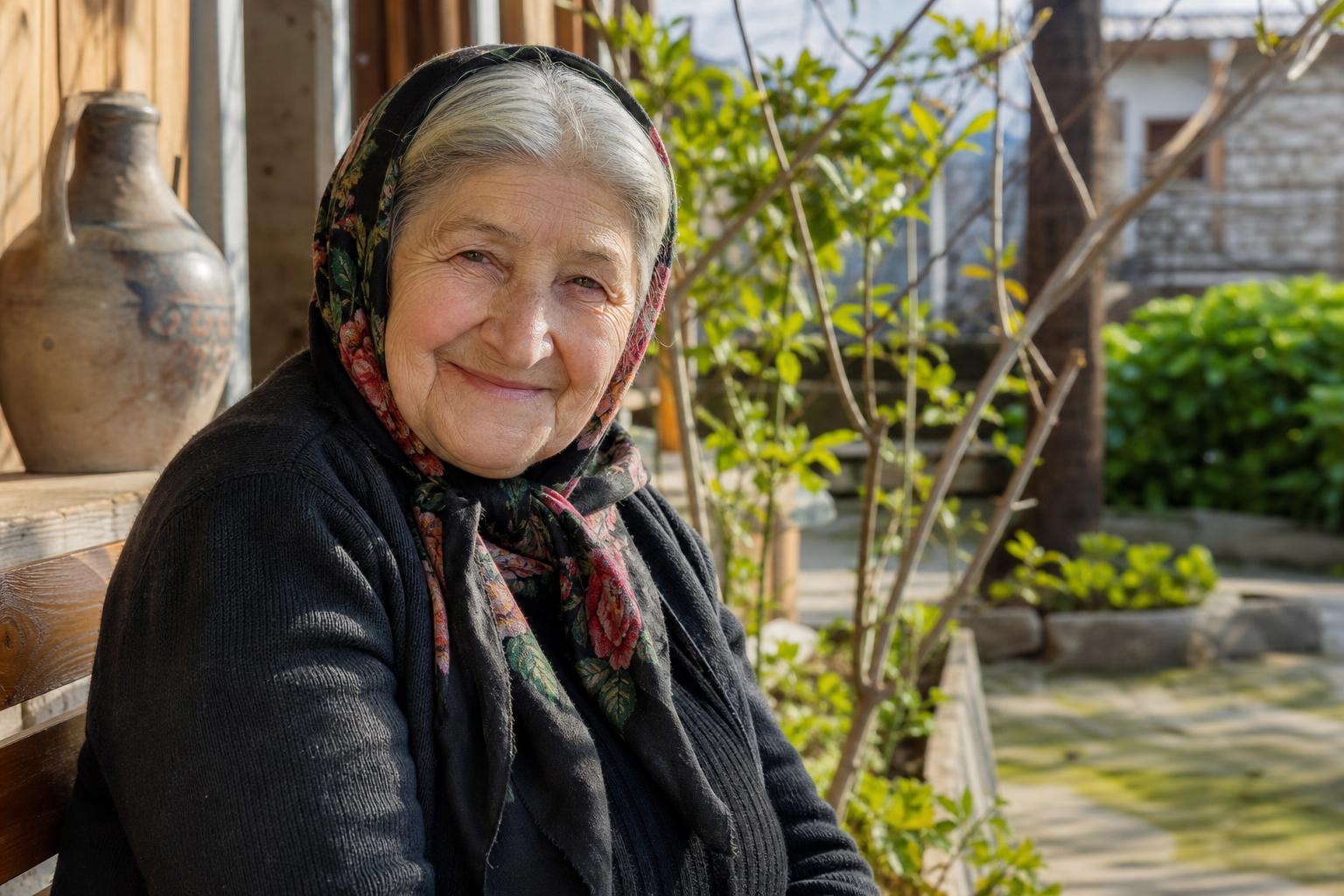
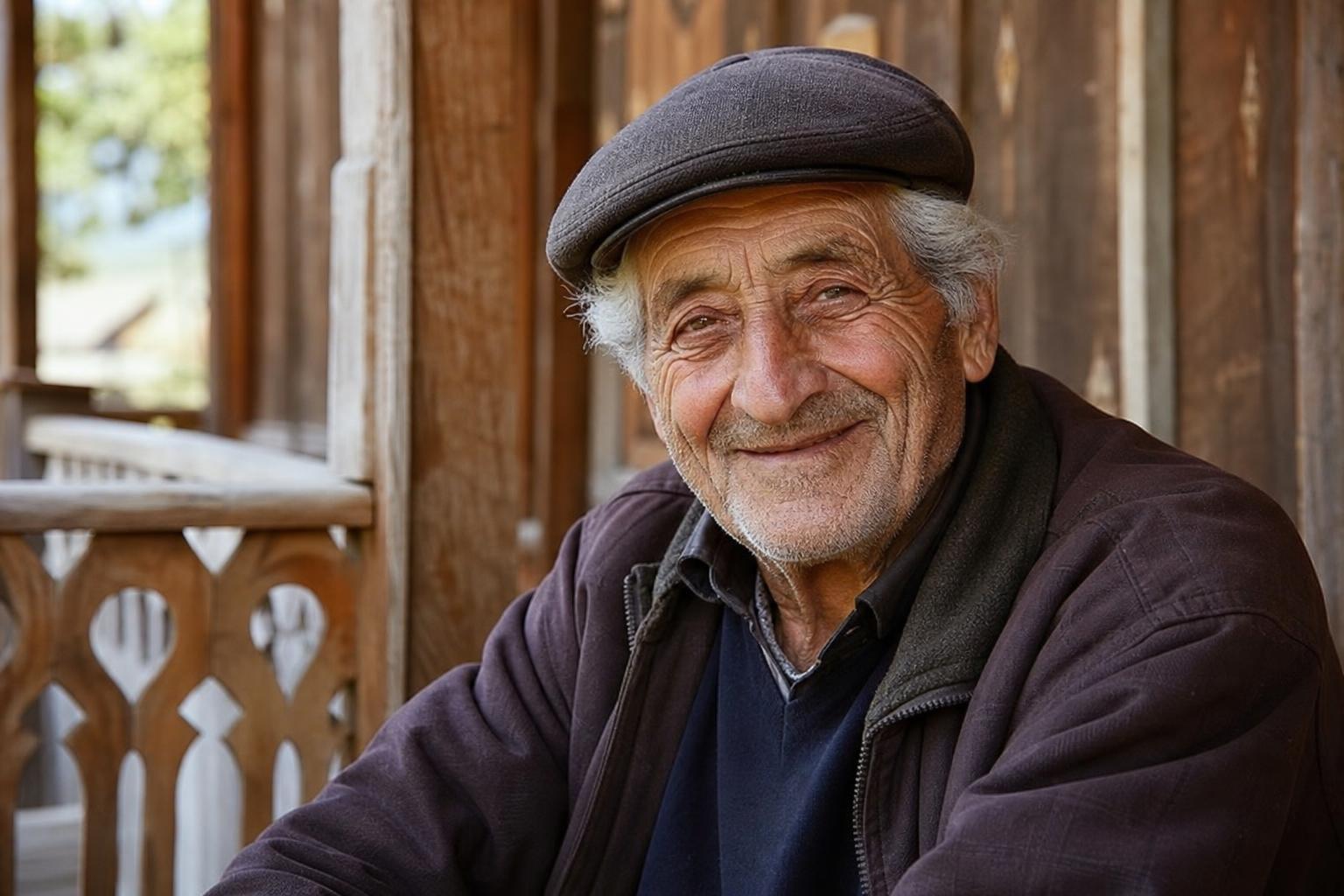
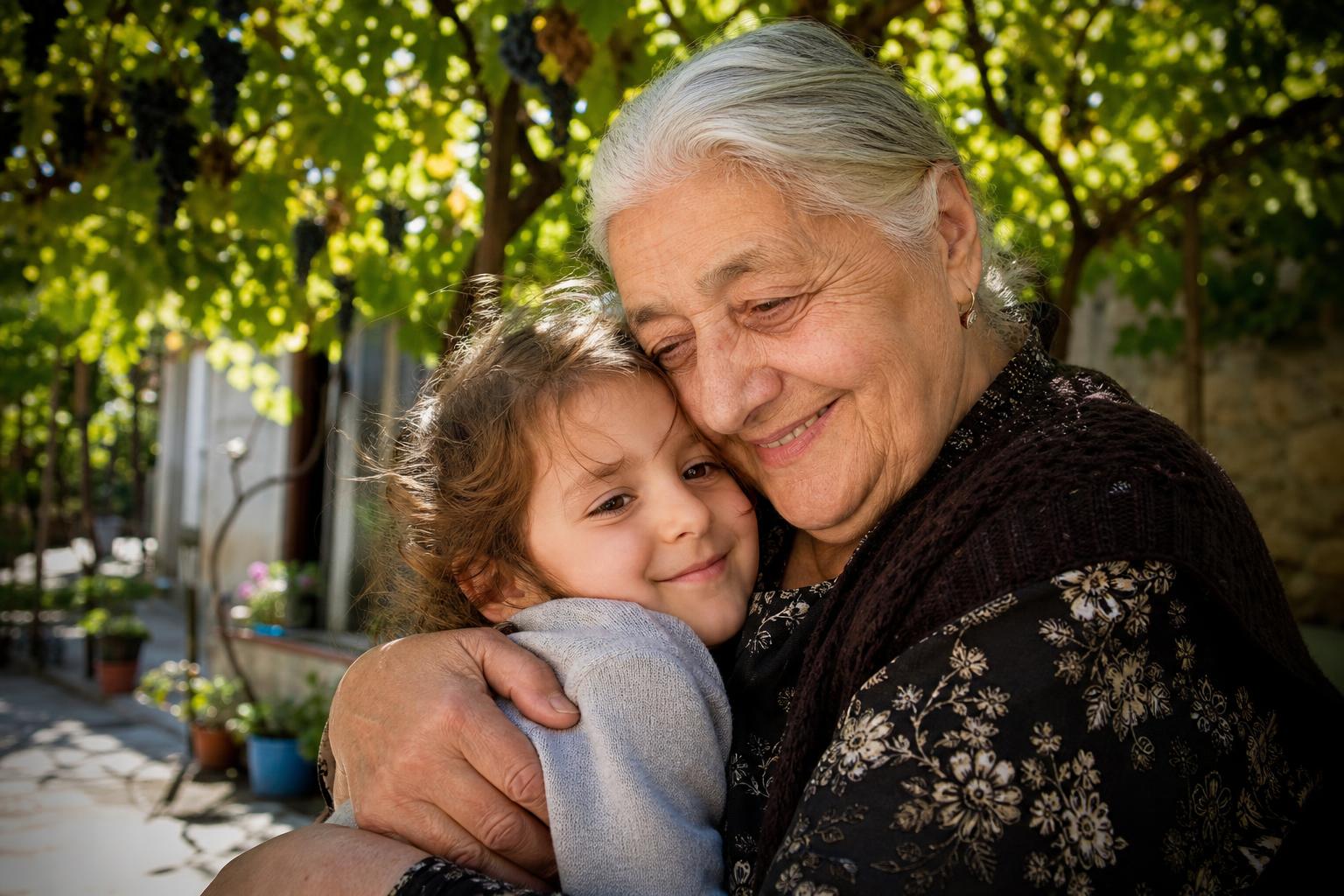
Shvilishvili is the pattern at its simplest: a child’s child. In Tbilisi and the east of the country you will also hear p’ap’a for grandfather. Georgian did use papa after all, just one generation up.
Aunts, uncles and cousins
Here Georgian is more precise than English. There is no single word for aunt.
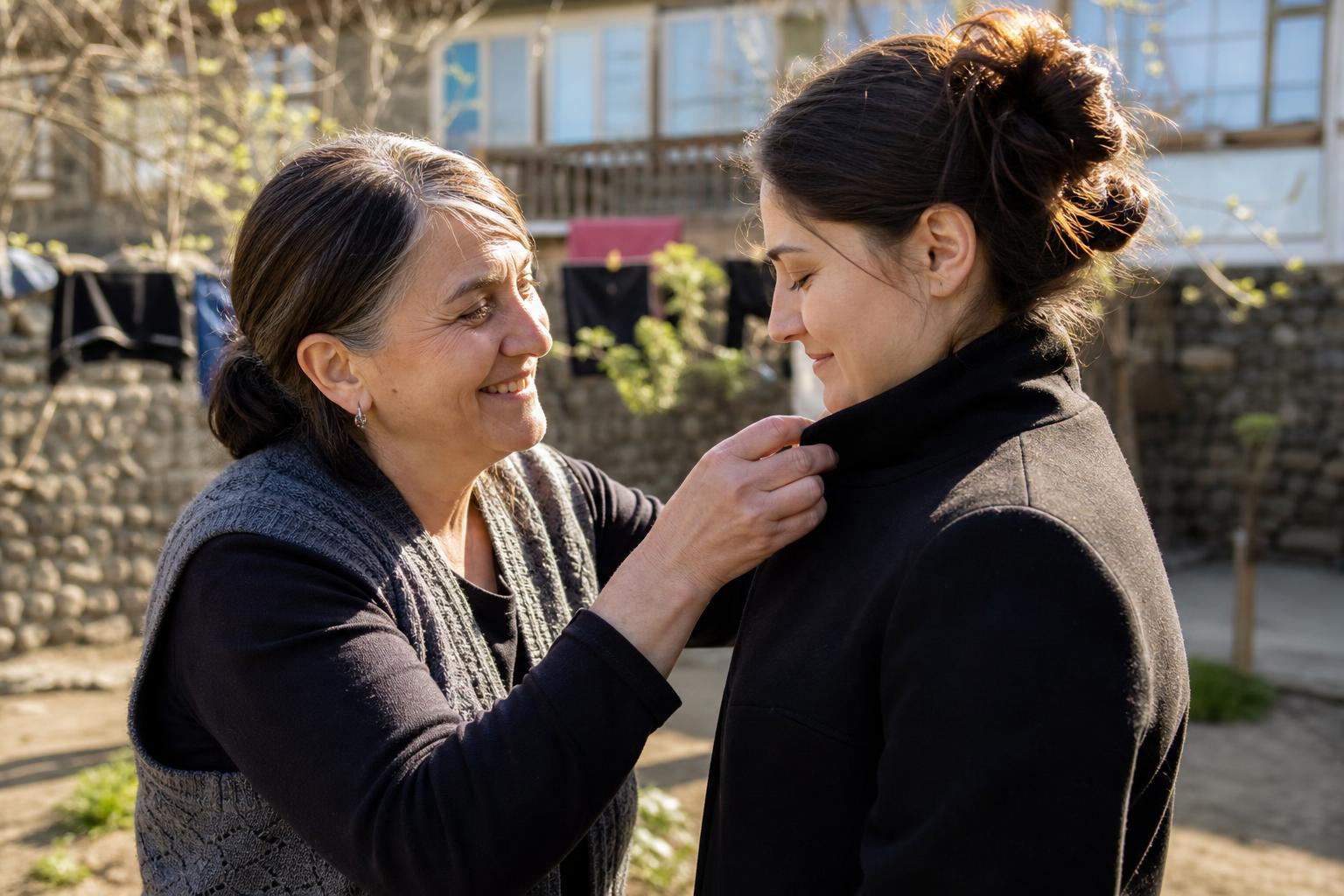
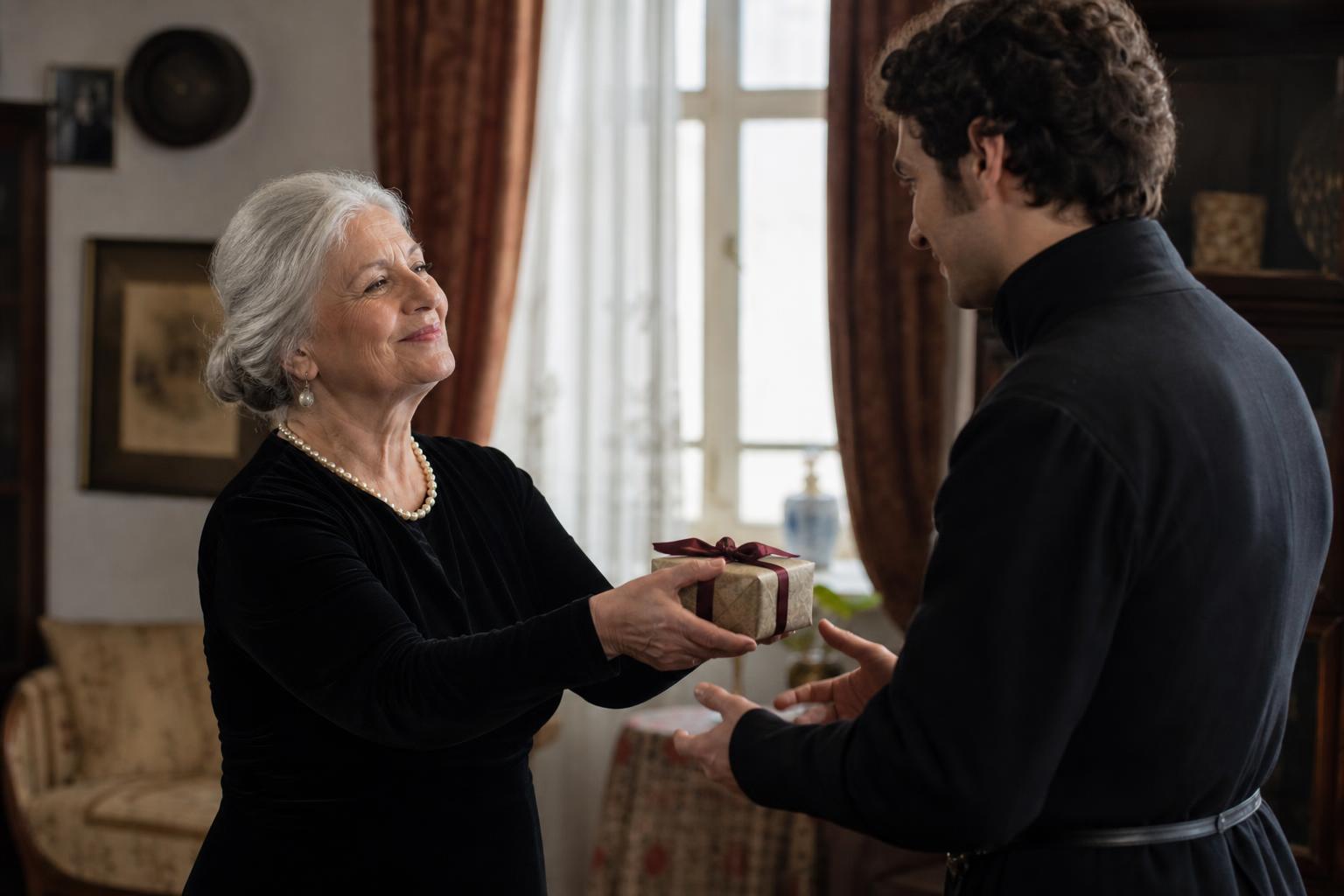
You can hear deda in deida and mama in mamida, which makes the pair easy to keep straight. Cousins follow the same logic: a cousin is the shvili of whichever aunt or uncle they belong to, so bidzashvili is your uncle’s child and deidashvili is your mother’s sister’s child. A nephew or niece works the same way: disshvili is your sister’s child.
| Georgian | Say it | Meaning |
|---|---|---|
| ბიძაშვილი | bidzashvili | cousin (uncle’s child) |
| დეიდაშვილი | deidashvili | cousin (mother’s sister’s child) |
| მამიდაშვილი | mamidashvili | cousin (father’s sister’s child) |
| დისშვილი | disshvili | nephew or niece (sister’s child) |
| ძმისშვილი | dzmisshvili | nephew or niece (brother’s child) |
The verb for having family
Here is the second habit. Georgian has two verbs for to have, one for people and animals and one for objects, and family members always take the first one.
Gvq’avs is we have, and mq’avs is I have, for a person. For a thing, like wine or money, it would be makvs. You do not need to think about it if you learn the family sentences as they are. Our post on Georgian pronouns explains the m- for me and gv- for us at the start of those verbs.
Where you will use them
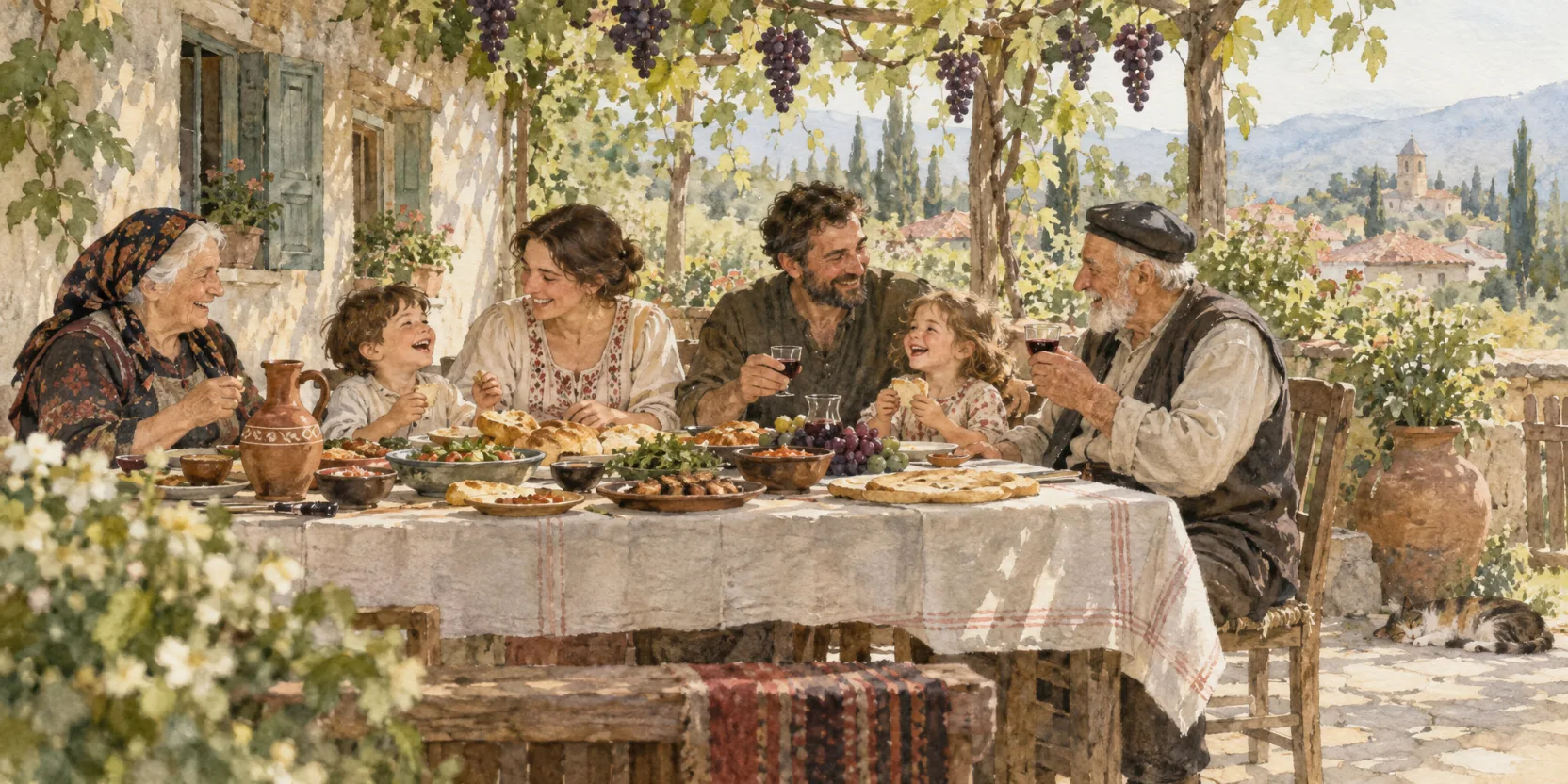
Family is the first real topic of conversation with any Georgian you meet. How many children, whose son you are, where your parents live, whether your grandmother is still alive and how she is. Expect the questions early, often from people you have known for ten minutes.
Our audio course, Speak Georgian in 50 Days, brings in the family words exactly this way. Lesson 18 has you talking about a husband and wife, lesson 20 about children, and lesson 24 introduces mother, father, sister and brother inside sentences you can say at a table. If you are learning for a partner’s family, our post on learning Georgian for a Georgian partner is about exactly that table. The first lesson is free.